

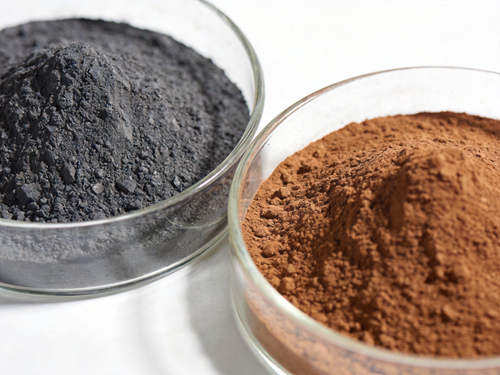
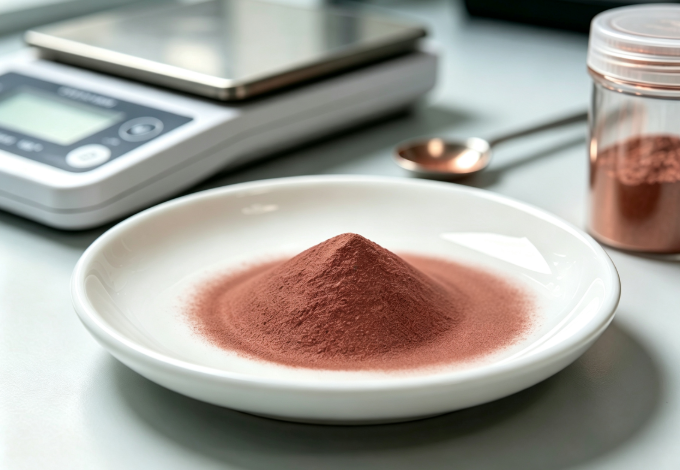
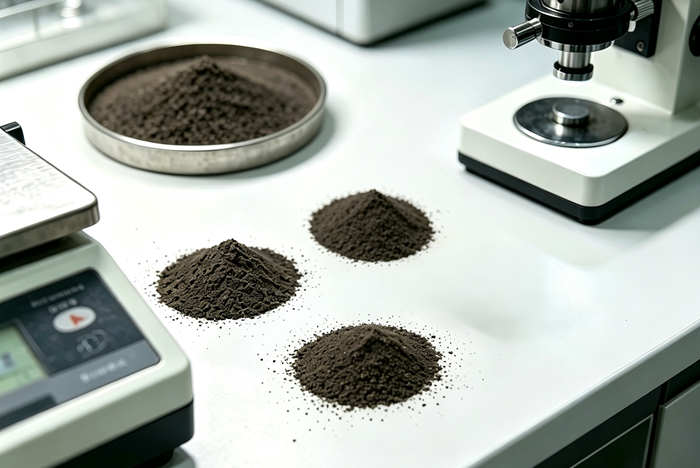
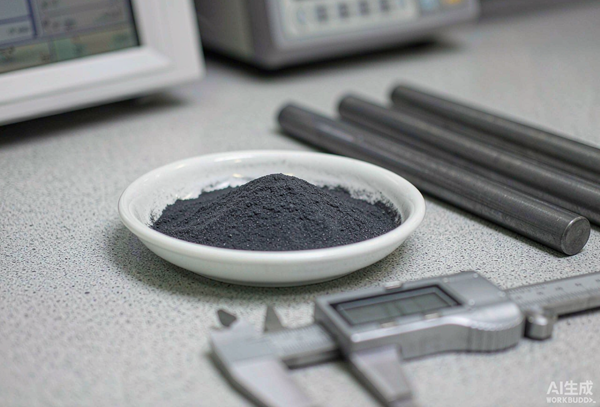
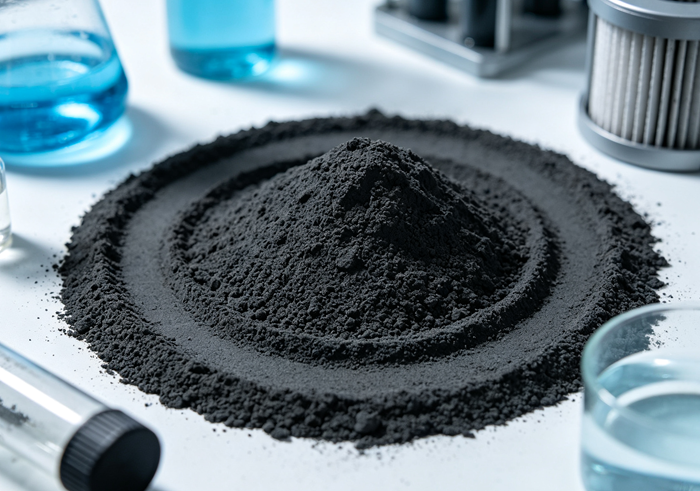
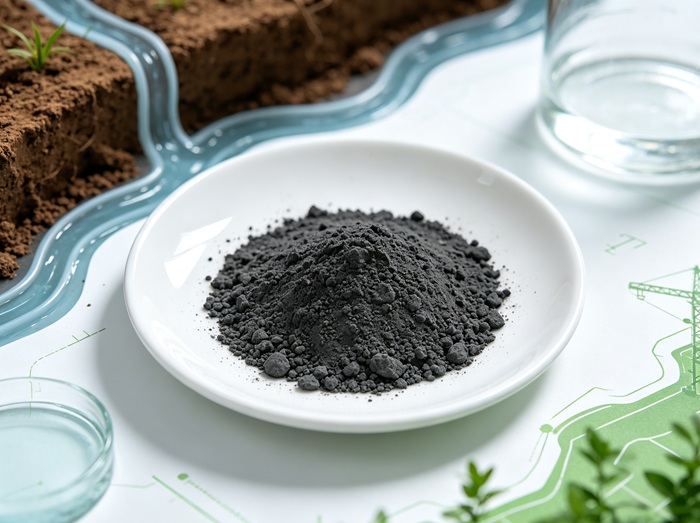
Let's take a brief look at a basic data of iron powder: apparent density
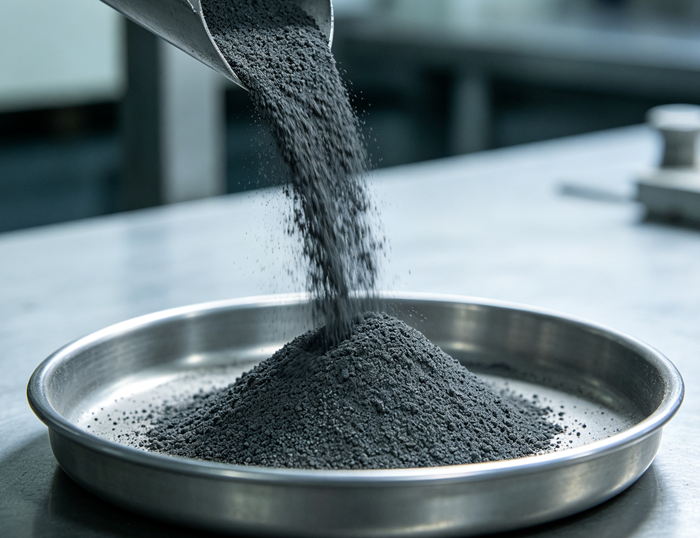
Apparent density usually refers to the weight of powder per unit volume when it is loosely piled up. Its value is affected by the particle shape, particle size and internal structure (such as pores) of the Iron Powder.
The calculation formula of apparent density is: apparent density = mass / volume, so apparent density is generally expressed in g/cm³
(The mass of Metal Powder is in g, and the volume of loose metal powder is in cm³)
The more regular the shape of the iron powder particles, the easier it is to fill them in the loose packing and the greater the apparent density.
The denser the internal structure of the powder particles, the greater their apparent density.
As the particle size of ultrafine powder increases, the friction between particles increases and the apparent density decreases.
The higher the apparent density, the better the fluidity of the powder and the smaller the friction between the particles. Therefore, the powder can flow into the mold more easily and quickly during molding, and the density of the molded body is also higher.
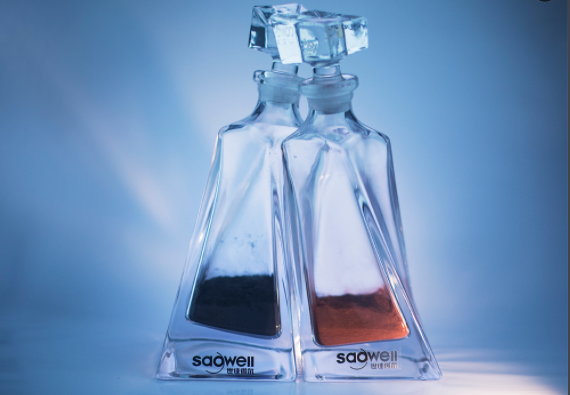
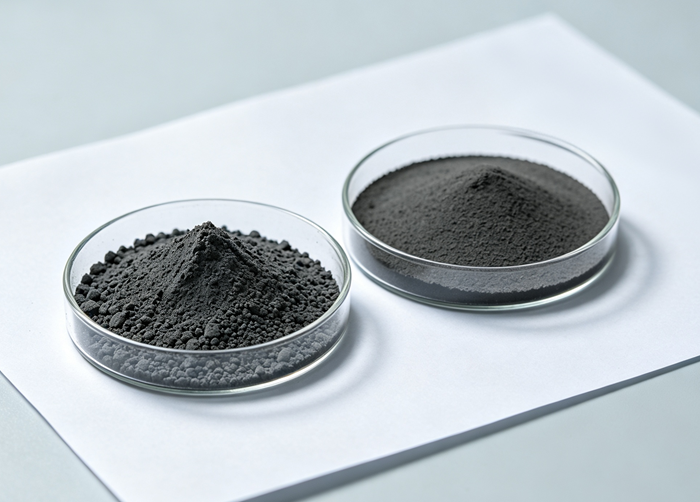
The iron powder produced by Sagwell is made by chemical method, its particle size ranges from 400 mesh to 5000 mesh. It belongs to the ultrafine powder series, and its apparent density is between 0.9~2.5g/cm³. In view of the problem of low apparent density and poor fluidity of ultrafine powder, our technicians recommend that customers granulate the ultrafine powder first, which can not only ensure the performance of the powder, but also have good fluidity.
Sagwell has been specializing in the production of ultrafine iron powder, ultrafine pre-alloyed powder and ultrafine copper powder for 20 years. We have nearly 40 brands suitable for different industries. For more details and technical support, please email us for consultation.
Email: export@sagwell.com