

Why Fe-Cu-Sn-Ni Pre-alloyed Powder Is Taking Over Diamond Tool Matrices
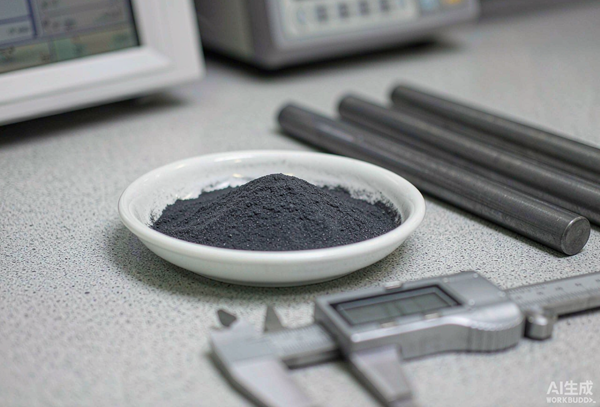
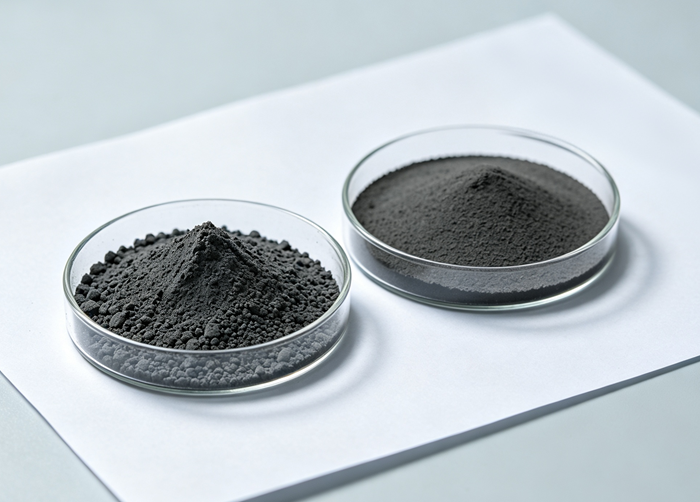
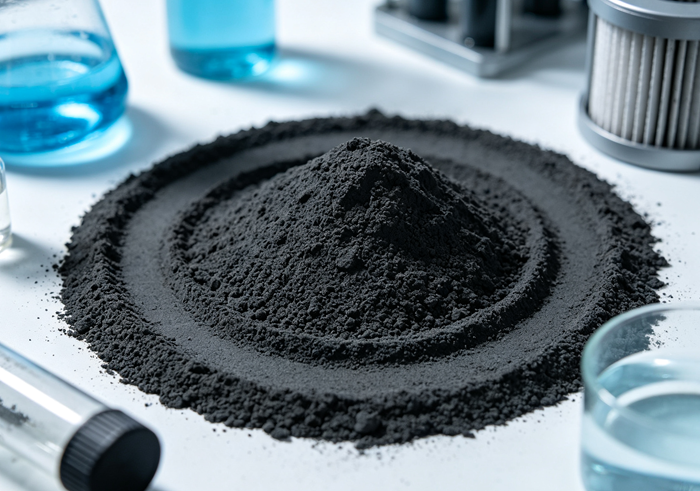
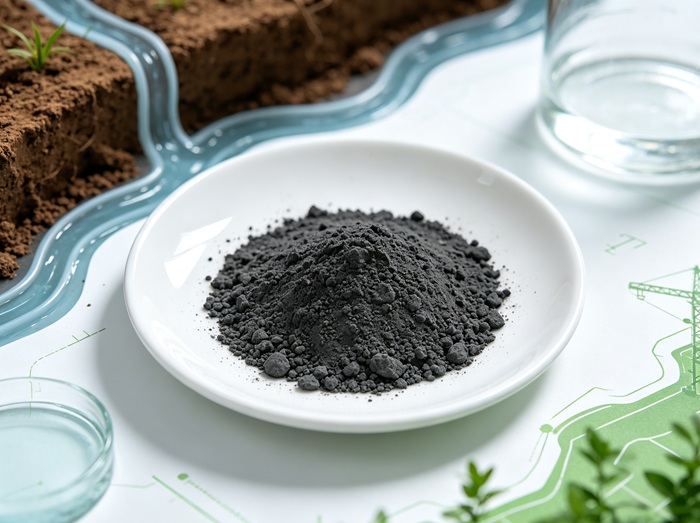
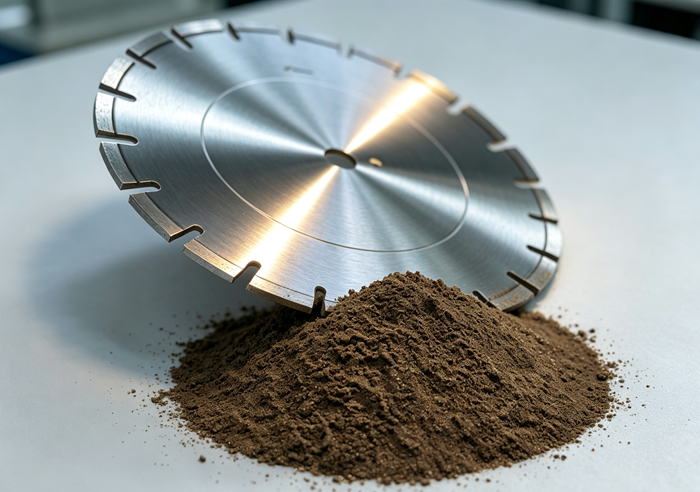
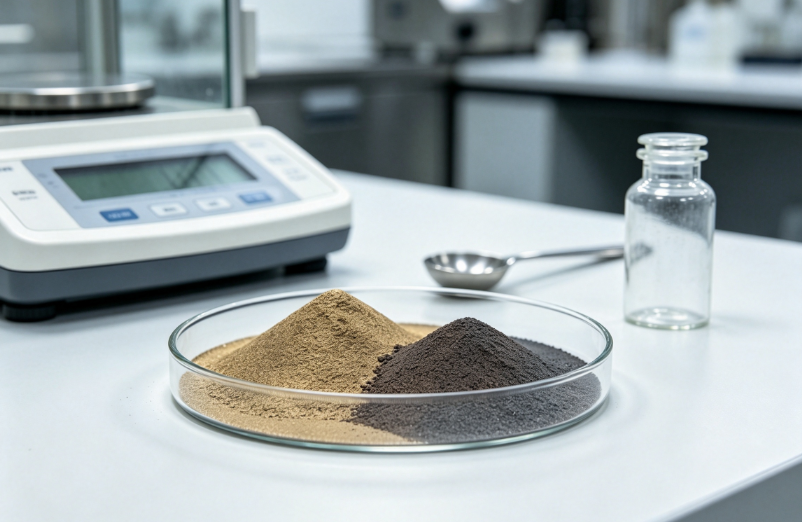
Fe-Cu-Sn-Ni pre-alloyed powderis an ultrafine powder in which iron, Copper, tin and nickel are already alloyed at the powder-making stage. It is used as the base powder for diamond tool matrices (bonds). Compared with mechanically blended elemental powders, it is chemically uniform, resists segregation, sinters at a lower temperature over a wider window, and grips diamond grit more firmly—making it a mainstream choice for saw blades cutting ceramic, porcelain slab and glass.
1. What Pre-alloyed Powder Is in Diamond Tools
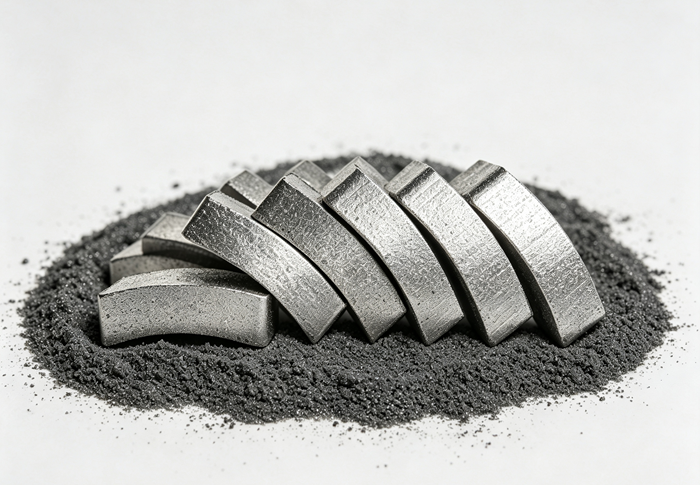
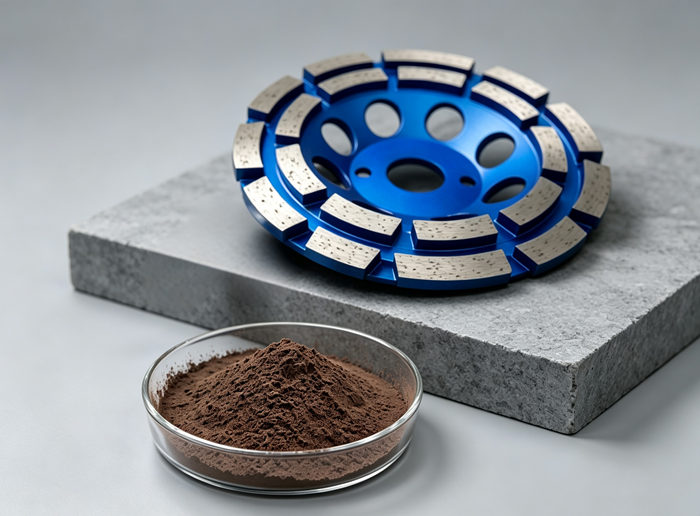
A diamond tool's working layer has two parts: diamond grit, which does the cutting, and the matrix powder, which holds the grit in place and wears gradually so dulled grit is shed and fresh edges are exposed—the property known as self-sharpening.
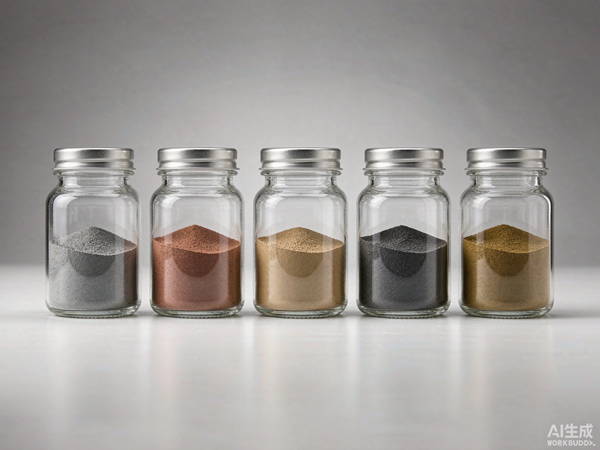
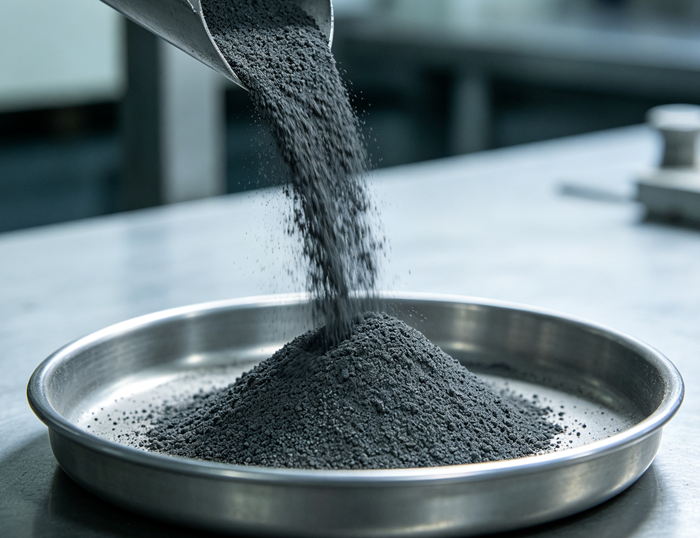
Pre-Alloyed Powder is made by alloying two or more metals during melting or co-precipitation, then processing them into micron-scale particles. Common systems include Fe-Cu, Cu-Sn, Fe-Cu-Sn and Fe-Cu-Sn-Ni. For diamond tools, particle size usually falls in the 5–25 μm range.
2. Why Not Just Blend Elemental Powders
Dry-blending carbonyl iron, copper and tin powders looks simple, but three problems surface in production:
- Segregation — coarse and fine particles separate during handling and die filling, so a single segment is not uniform inside;
- Higher sintering temperature — each element acts alone, requiring more heat to form a liquid phase, which risks thermal damage to the diamond;
- Unstable performance — batch-to-batch variation makes sharpness and tool life hard to reproduce.
Every pre-alloyed particle is a microscopic alloy with a melting point below that of any single element, so sintering temperature can drop by roughly 100°C. The matrix structure becomes uniform, hardness and impact strength rise, and diamond retention improves accordingly.
3. Why the Fe-Cu-Sn-Ni Combination
The four elements divide the work: iron supplies the skeleton and wear resistance; copper lowers the sintering temperature and improves diamond wetting; tin further reduces the melting point and adds toughness; nickel markedly raises strength and bonding to the grit.
Once alloyed, the combination delivers a lower sintering temperature, higher matrix hardness and good self-sharpening at the same time. For dry cutting of ceramic and porcelain slab—where sharpness matters and burning the blade is unacceptable—the Fe-Cu-Sn-Ni system is often the first choice. In industry practice, using pre-alloyed powder as the base allows diamond concentration to be cut by 15%–20% without losing cutting performance.
4. KIN-04 From a Formulation Standpoint
Tools differ in what they need from a matrix: dry cutting wants sharpness, wet cutting wants wear resistance, and drilling wants toughness. Take KIN-04, a mid-to-high-end Fe-Cu-Sn-Ni alloy powder, as an example. Typical values are D50 of 12–18 μm, apparent density of 1.7–2.3 g/cm³ and matrix hardness of 95–105 HRB, with high activity, good cold-press formability and strong self-sharpening.
It works as the main formulation powder for dry cutting ceramic, or mixed with a small amount of reinforcing material for porcelain slab. Other grades in the same series cover wet cutting and glass drilling. One customer replaced part of the cobalt powder with this system at roughly 30% addition and a sintering temperature of 770–820°C: sharpness held steady, wear resistance improved by about 10%, and cobalt usage was halved.
5. FAQ
Is Fe-Cu-Sn-Ni pre-alloyed powder suitable for every diamond tool? No. It suits mid-to-low-temperature sintering systems (typically optimal around 720–750°C). Heavy-duty cutting of granite or concrete usually requires additional skeleton powders.
Can it be blended with elemental powders? Yes, but keep the pre-alloyed powder as the main component and use elemental powders only for fine tuning—otherwise segregation returns.
How do I choose the right grade? Define the working condition (dry cutting, wet cutting, drilling) and the workpiece first, then match particle size, apparent density and hardness, and finally confirm the grade with a small-batch trial.
Conclusion
The real value of Fe-Cu-Sn-Ni pre-alloyed powder is that it solves two long-standing matrix design problems at once: formulation uniformity and sintering window. Rather than debating individual element ratios, work backward from the application to the alloy system, then lock in the grade through sample trials. To request particle-size adjustment or matrix formulation advice for this system, simply share your working condition and workpiece.