

Fe-Ni-P Pre-Alloyed Powder: Balancing Sharpness and Lifespan in Diamond Tool Bonds
In the diamond tool industry, the bond (matrix) formulation directly determines a blade's cutting efficiency and service life. In recent years, Iron-nickel-phosphorus (Fe-Ni-P)pre-alloyed powderhas attracted growing attention in stone and concrete processing, thanks to its low-temperature sintering, strong diamond retention, and easy balance between sharpness and lifespan. This article explains the logic behind Pre-Alloyed Powders first, then the unique strengths of the Fe-Ni-P system.
Why Diamond Tools Depend on Pre-Alloyed Powder
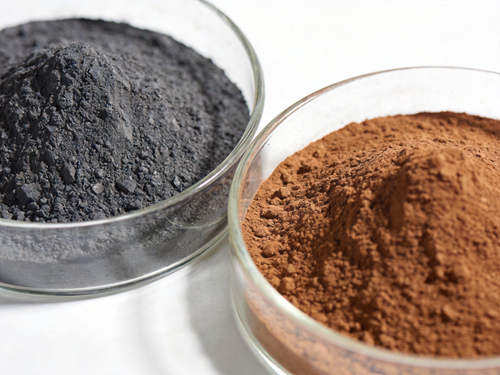
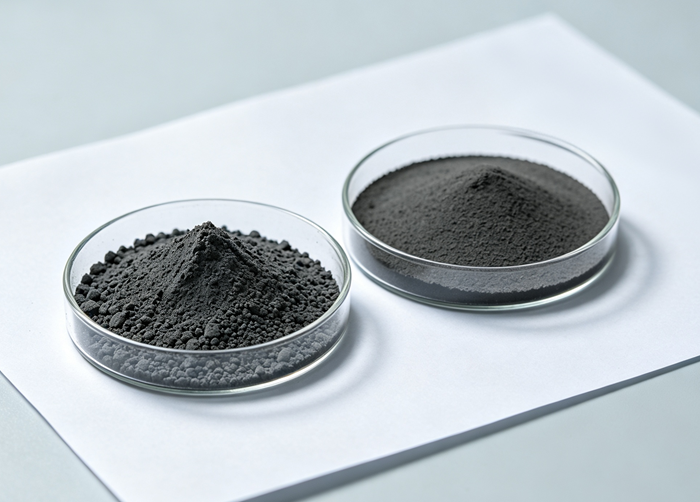
It is the bond — not the diamond itself — that grinds, transmits force and holds each diamond crystal in place. Conventional bonds use mechanically mixed elemental powders (iron, Copper, nickel, tin, etc.); during sintering, elements diffuse unevenly and segregate easily, leaving the matrix porous with weak diamond retention, so diamonds pull out prematurely. Pre-alloyed powder completes alloying at the powder-making stage: every particle has a uniform composition, delivering high sintering activity and thorough alloying, markedly higher hardness and transverse rupture strength, plus lower sintering temperatures and consistent batch quality. Refining the particle size to a superfine 10-15 μm range pushes sintering activity and densification even further.
Application Advantages of Fe-Ni-P Pre-Alloyed Powder
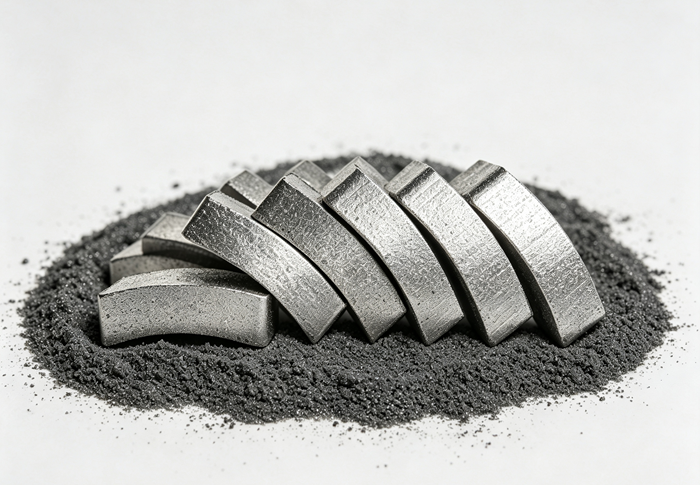
Each element in the Fe-Ni-P system plays a role: phosphorus is an excellent sintering aid — even a small addition lowers the melting point, accelerates densification, and raises matrix hardness and self-sharpening behavior; nickel enhances toughness and bond strength, improving wetting and mechanical anchoring of diamonds; the iron base keeps cost far below cobalt-based bonds. In practice, adding roughly 10% Fe-Ni-P pre-alloyed powder into a base formulation preserves sharpness while extending life — one tower-saw segment customer recorded over 30% longer life. The application window is broad too: tower saws, single-blade segments, cup wheels and floor grinding blocks, all compatible with a wide 750-900°C sintering range that fits different sintering equipment.
What to Look For: A Superfine Fe-Ni-P Example
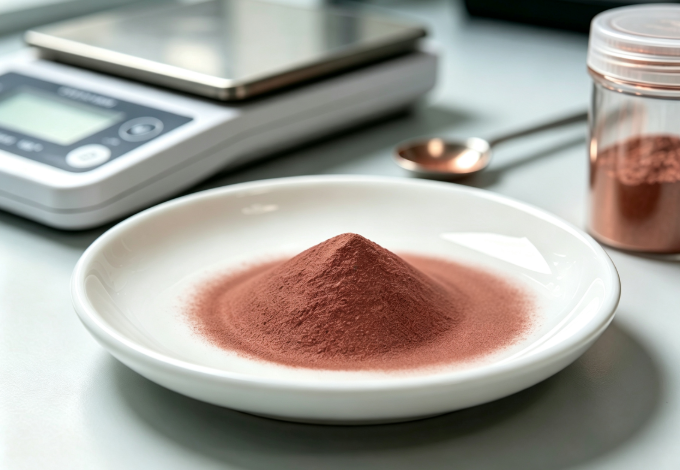
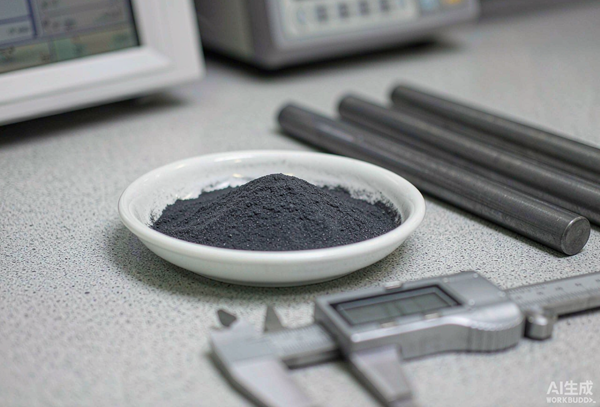
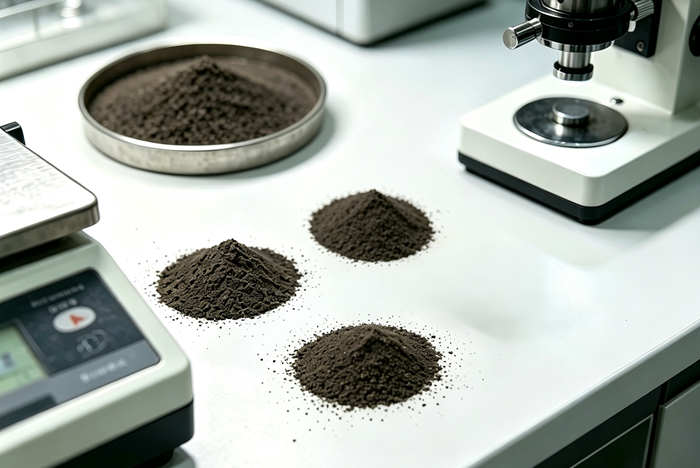
When sourcing Fe-Ni-P pre-alloyed powder, focus on three things: stable chemistry with low oxygen content, a concentrated particle-size distribution, and complete, transparent sintering data. Take SFN-05P from Sagwell, a manufacturer with over twenty years in superfine metal powders: 5% Ni, 1% P, oxygen below 0.60%, and a D50 of 10-15 μm. Sintered across 750-900°C, it reaches up to 97.7% density, 88.7-104.5 HRB hardness, and 1126-1325 MPa transverse rupture strength — high strength even at the low end of the range, exactly where phosphorus-assisted sintering proves its value. A datasheet this complete is worth more than a bare composition table.
Conclusion
Fe-Ni-P pre-alloyed powder uses phosphorus to promote sintering, nickel to strengthen bonding, and iron to control cost — a cost-effective route to balancing sharpness and lifespan in diamond tool bonds. Choose superfine particle size, low oxygen content and full sintering data, then validate with small-batch segment trials, and the performance dividend of pre-alloying will follow.