

Technical Info
0102030405
How to Prevent Cold-Pressing Cracks in Diamond Tools: 6 Key Points for Choosing Ultrafine Iron Powder
2026-09-17
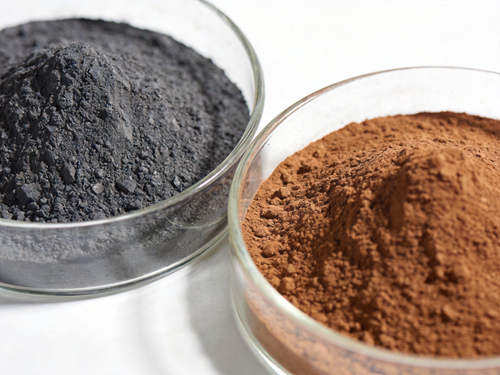
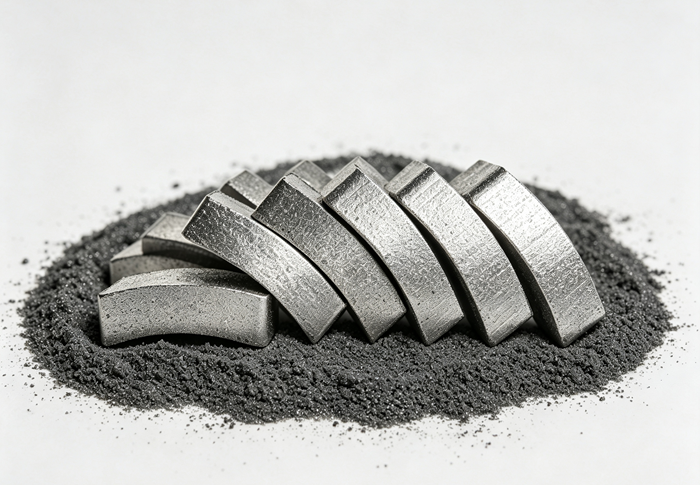
Cracks in green bodies are a common technical challenge during the cold‑pressing forming of diamond tools. As core matrix materials, Iron Powder andultrafine iron powder are widely adopted either as major matrix components or functional additives. Physical properties including particle size, morphology and oxygen content of ultrafine iron powder greatly determine the yield rate of cold‑pressed diamond tools. Proper selection of ultrafine iron powder for diamond tools plays a critical role in production performance.
-
Multiple factors contribute to cold‑pressing cracks. Apart from mold condition and pressing pressure settings, powder‑related causes cover inaccurate feeding weight, uneven mixing, poor powder flowability, surface oxidation, and mismatched particle sizes among mixed metal powders. Many manufacturers focus merely on optimizing machine parameters, while overlooking property defects of raw ultrafine iron powder. This oversight repeatedly causes cracking and chipping of pressed green compacts, resulting in high production waste.
-
-
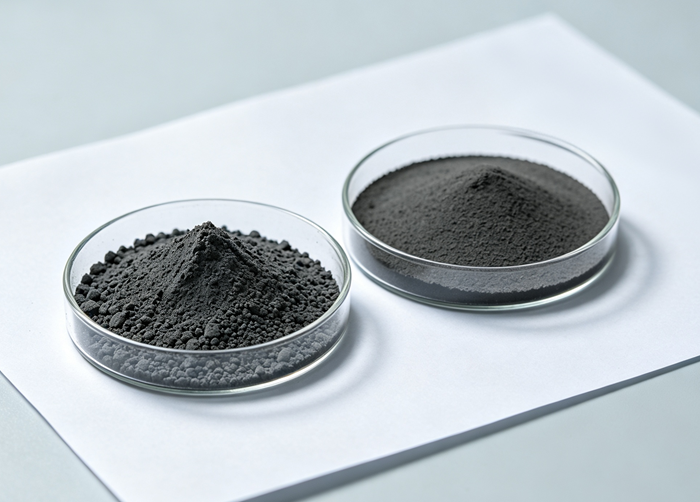
For formulations adopting iron powder for diamond tool matrix, both powder physical properties and operating procedures shall be strictly controlled to optimize cold‑pressing outcomes.
-
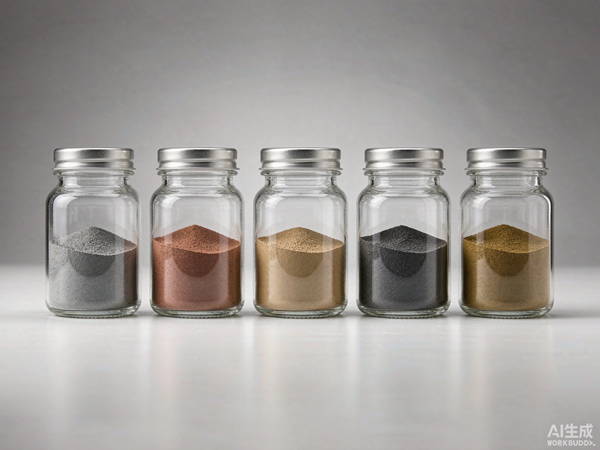
Firstly, pay attention to particle morphology. Ultrafine iron powder for diamond tools and pre‑alloyed powder normally feature irregular shapes while Copper powder is mostly spherical. Diverse particle shapes change powder stacking status and further influence compact density.
-
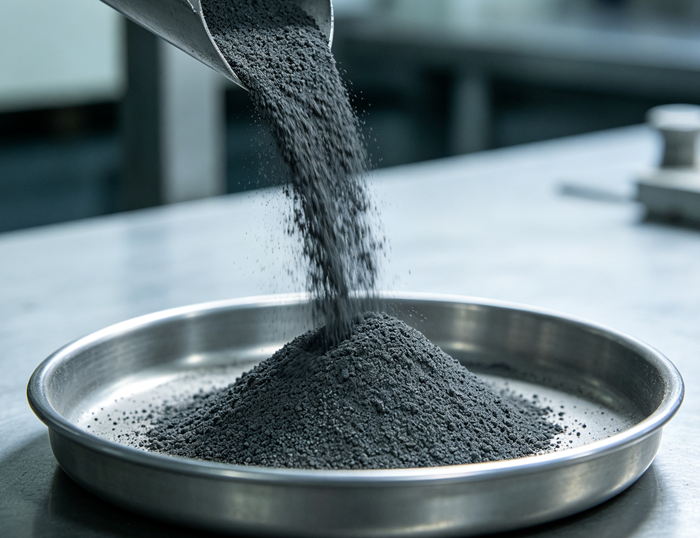
Secondly, optimize particle‑size matching. Particle‑size gaps among mixed metal powders should not be excessive, and overly coarse powder should be avoided. Well‑matched grain sizes improve powder packing and lower cracking risks. -
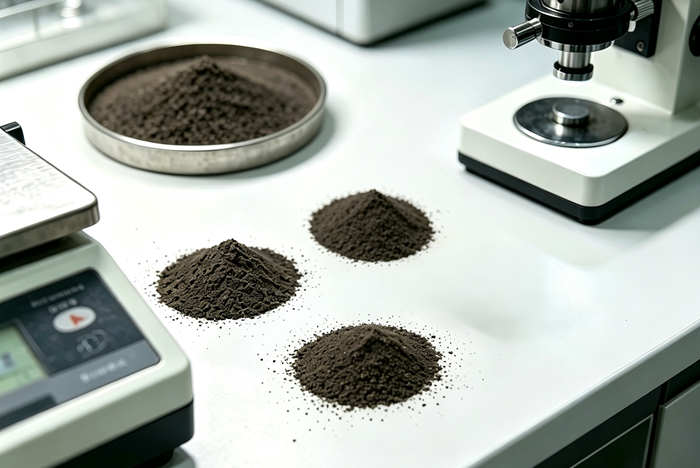
Thirdly, guarantee homogeneous mixing. Auxiliary accessories such as mixing chains, rods or springs are recommended for main matrix powder blending. Prone‑to‑agglomerate powder shall be pre‑dispersed before mixing. -
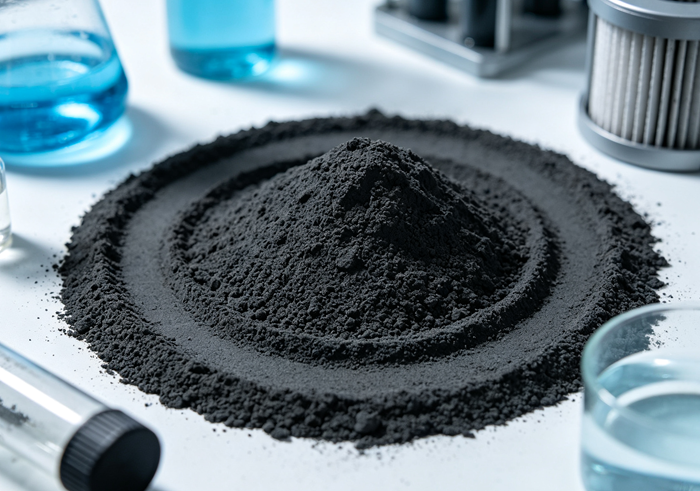
Fourthly, control oxygen content strictly. Low‑oxygen, high‑purity ultrafine iron powder delivers much better pressing performance. -
Fifthly, select suitable forming agents, which significantly affect the integrity of cold‑pressed compacts. -
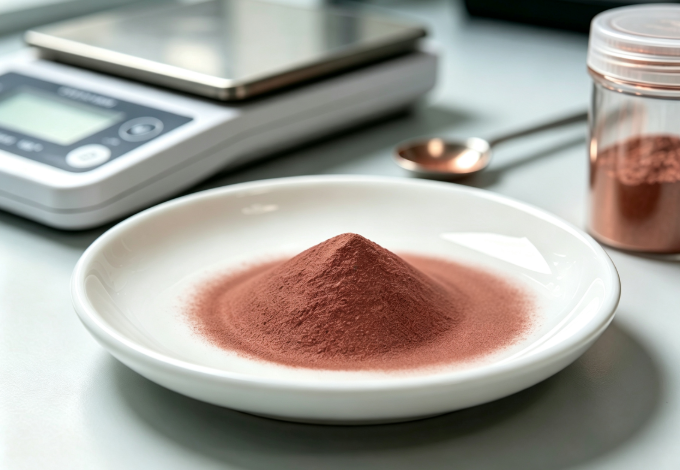
Sixthly, calculate feeding weight precisely to eliminate forming defects caused by manual dosing deviation.-
Raw matrix powder lays the foundation for diamond‑tool manufacturing. Stable‑grade ultrafine iron powder for diamond tools, combined with standardized powder treatment and mixing workflows, can mitigate cold‑pressing cracks at the source and enhance the stability of pressed compacts and final sintered products. Feel free to contact us for more information about iron powder and ultrafine iron powder.
-
-